
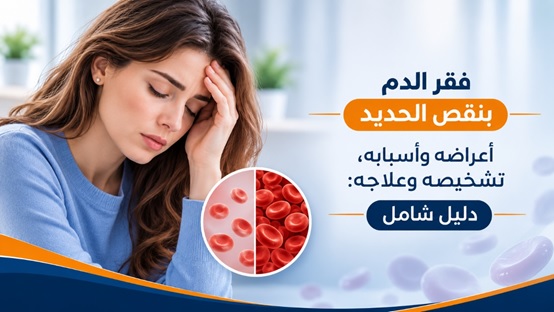
Iron Deficiency Anemia Its Symptoms, Causes, Diagnosis and Treatment: A Complete Guide
What is Iron Deficiency Anemia?
Iron Deficiency Anemia is a condition in which the amount of iron in the body drops below the level required to produce hemoglobin—the protein responsible for transporting oxygen from the lungs to the rest of the body. Its most prominent symptoms include persistent fatigue, pale skin, and shortness of breath upon exertion. It is diagnosed via blood tests and treated with iron supplements and by addressing the underlying cause under medical supervision.
Given the vital importance of iron in maintaining cellular energy and vitality, any deficiency in its stores immediately impacts organ function, sending out various warning signals.
What are the main symptoms of iron deficiency in the body?
You might sometimes confuse them with everyday fatigue. The most prominent symptoms include:
Severe fatigue and persistent tiredness: Resulting from inadequate oxygen supply to the tissues.
Shortness of breath and heart palpitations: Especially during minor physical exertion.
Pale skin: Loss of natural color in the skin and mucous membranes.
Cold extremities (hands and feet): Due to poor blood circulation.
Dizziness, lightheadedness, or headaches: Caused by reduced oxygen supply to the brain.
Other common symptoms: Hair loss, brittle nails, tongue inflammation, restless legs syndrome, and cravings to eat non-food substances such as ice or dirt (Pica).
When to seek emergency care: If chest pain, severe or sudden shortness of breath, or fainting occurs, seek immediate medical attention. These are not normal symptoms and should never be ignored.
Who is most at risk?
Women of childbearing age, especially those with heavy menstrual bleeding.
Pregnant women.
Infants and children experiencing rapid growth phases.
Vegetarians and individuals following diets lacking in iron.
People with digestive disorders or those who have undergone stomach or intestinal surgery.
What causes iron deficiency?
Causes vary, but the most common include:
Significant blood loss: Such as chronic bleeding or heavy menstrual periods.
Poor iron absorption: Resulting from digestive disorders (like Celiac disease) or surgical procedures.
Low dietary iron intake or increased bodily demand: Such as during pregnancy and growth phases.
Chronic kidney disease: Which affects the hormones that stimulate blood cell production.
Chronic inflammatory conditions: Which hinder the body's ability to utilize stored iron.
How is iron deficiency diagnosed?
Diagnosis relies on blood tests, interpreted by a doctor according to individual cases. Approximate reference values include:
Test | Indication |
|---|---|
Hemoglobin (Hb) | Less than 13 g/dL in men, less than 12 g/dL in non-pregnant women, and less than 11 g/dL in pregnant women indicates anemia. |
Ferritin | A drop in ferritin levels indicates depleted iron stores, serving as the most accurate early indicator. |
Serum Iron & TIBC | Helps confirm the diagnosis. |
Reference ranges vary among laboratories and age groups; results should always be interpreted by a physician. If a deficiency is identified in a man or a postmenopausal woman, the doctor may investigate for hidden bleeding sources.
What are the main dietary sources of iron?
A balanced diet is the first line of defense in preventing and supporting iron levels in the body. Dietary iron is divided into two main types:
Heme Iron: Found in animal sources with higher absorption rates. Key sources include:
Red meat and liver.
Poultry, fish, and seafood.
Eggs.
Non-Heme Iron: Found in plant sources. It is best consumed alongside Vitamin C-rich foods (such as oranges and lemons) to enhance absorption. Key sources include:
Legumes such as lentils, chickpeas, and beans.
Dark leafy greens such as spinach and broccoli.
Dried fruits such as apricots.
Nuts and seeds such as pumpkin seeds and sesame.
What reduces iron absorption? Tea, coffee, calcium, and dairy products hinder absorption. It is recommended to consume them at least 1 to 2 hours after meals or iron supplements.
How is iron deficiency anemia treated?
Treatment focuses on identifying and treating the underlying cause while replacing the deficiency. It includes:
Addressing the underlying cause: Such as controlling sources of blood loss or managing absorption disorders.
Dietary adjustments: Maintaining a healthy diet that combines plant and animal sources of iron.
Iron supplementation: The core pillar of restoring iron stores. Available in oral forms (tablets, syrup, drinkable ampoules) or intravenously when necessary. A physician or pharmacist determines the type, dosage, and duration. Iron supplements may contain iron alone (such as Glucofer- tablets and Glucofer - oral vial) or combined with vitamins and minerals that aid red blood cell formation (such as Vitaglobin capsules for adults to maintain energy levels and nourish the blood, or Vitaglobin syrup enriched with honey, malt, and minerals as a palatable option for children).
Frequently Asked Questions
How long does iron deficiency treatment take?
Symptoms usually start improving within weeks, but restoring iron stores (ferritin) can take several months. Do not stop treatment without consulting your doctor.
Does iron deficiency cause hair loss?
Yes, iron deficiency is associated with hair loss in some individuals and generally improves once levels are corrected.
Is diet alone sufficient to treat the deficiency?
Dietary adjustments may help in mild deficiencies, but confirmed anemia usually requires supplements alongside dietary changes.
Can I take iron supplements without testing?
It is not recommended. Excessive iron can be harmful; it is best to perform a blood test first.
When should I test my iron levels?
Upon experiencing persistent fatigue, paleness, or hair loss, as well as during pregnancy or heavy menstrual cycles.
Ibn Al-Haytham Medical Tip: If you suffer from persistent fatigue or paleness, consult a doctor and undergo the necessary tests (Hemoglobin and Ferritin) before starting any treatment, then follow the medical option prescribed for you. This article is for awareness purposes and does not replace medical consultation.
References:
NHS - Iron deficiency anaemia https://www.nhs.uk/conditions/iron-deficiency-anaemia/